
How to Store Pins, Photocards & Acrylic Charms Between Displays
Changing an ita bag display often means some merchandise goes back into storage for weeks or months. Good storage keeps pieces easy to find and reduces avoidable scratching, bending, pressure and contact between hard and delicate materials.

Store different merch types separately
Badges, photocards and acrylic charms have different risks. Hard metal backs can dent paper, acrylic edges can scratch other acrylic, and flexible cards can bend under heavier objects. Separate containers or compartments are safer than one mixed box.
Pin badges and enamel pins
Keep pin backs attached when practical so sharp posts are covered. Store badges in shallow compartments, sleeves or organized trays where heavy stacks do not press against the artwork.
For enamel pins, check that rubber or metal backs are secure before storage. Small loose backs are easy to lose and can scratch neighboring items.
Photocards
Use clean protective sleeves and keep cards upright or flat in a rigid holder, binder or box that prevents bending. Avoid storing unprotected cards directly against textured fabric, metal hardware or adhesive surfaces.
If a card has been displayed for a long time, inspect the sleeve before reusing it. Replace damaged or dirty protection rather than transferring debris to storage.
Acrylic keychains and charms
Separate acrylic pieces so their printed faces and edges do not rub repeatedly against each other. Individual small sleeves or soft dividers can help, especially for charms with metal chains.
Keep chains and clasps from resting against printed surfaces for long periods when possible.
Acrylic stands
Store the figure and base so they cannot scrape each other. If the original packaging provides separate slots, it can be useful for long-term organization. Do not force thick pieces into a container that bends or presses them.

Rosettes, bows and fabric holders
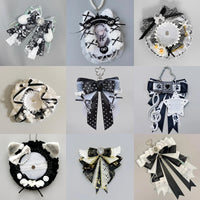
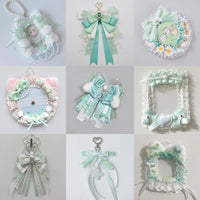
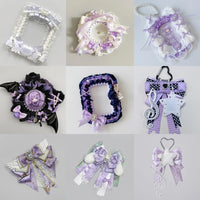
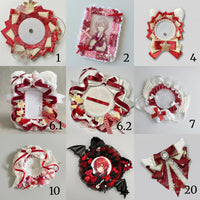
Keep decorative fabric pieces dry and uncompressed. Large rosettes can lose shape when stored under heavier merchandise. A shallow box or separate layer allows ribbons and lace to keep their structure.
Label by character, event or display theme
Choose the labeling system that matches how you rebuild displays. Character-based labels are useful for one-oshi bags; event or release labels can be better for collectors who rotate themes seasonally.
A simple index photo of each storage section can make future planning faster.

Avoid heat, direct sun and damp storage
Use a stable indoor location away from direct sunlight, high humidity and heat sources. These conditions can affect paper, adhesives, plastics and fabric over time.
Keep a small rotation box
If you change the bag frequently, keep current candidate merchandise in one temporary rotation box instead of returning every piece to deep storage. This can reduce handling and make small seasonal changes easier.
For deciding when a display actually needs an update, see How Often Should You Change Your Ita Bag Display?.
Check merchandise before the next display
Before moving stored pieces back into an ita bag, inspect sleeves, backs, chains and surfaces. Clean or replace protection as needed, then organize the candidate pieces using How to Organize Ita Bag Accessories Before Decorating.
For display protection while the merch is inside the bag, also see How to Protect Ita Bag Merch.